



















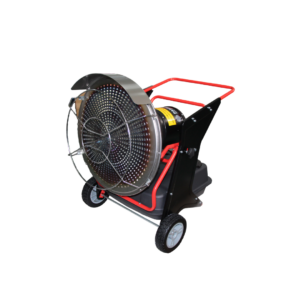
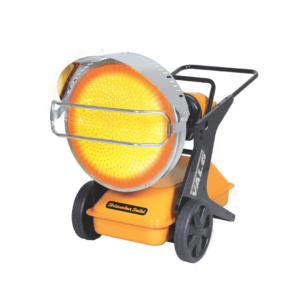


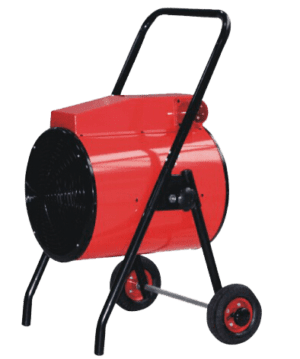
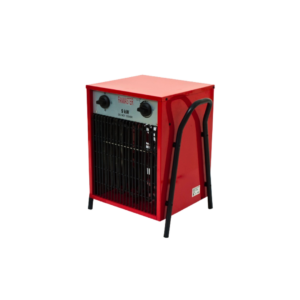
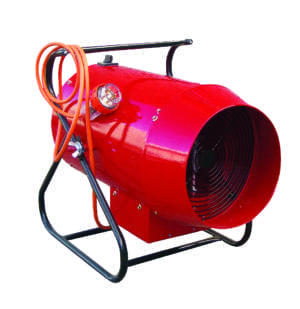
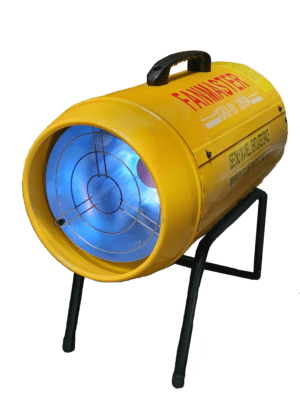

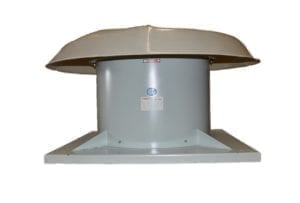









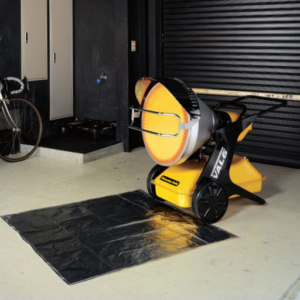


When it comes to industrial drying applications, many people think of heat as the main driver. While heating is a critical part of the process, it’s only half the story. The most efficient drying setups combine heat with air movement, often delivered through high-powered fans or ventilation systems.
Why Heat Alone Isn’t Enough
Heat increases the evaporation rate, but without airflow, moisture can linger on surfaces or saturate the surrounding air. This can slow down drying times and even cause secondary moisture issues such as condensation or mould growth.
The Role of Air Movement
Air movement is essential for removing the moist air generated during the drying process. By pushing humid air away from the surface and replacing it with drier air, fans create the perfect environment for rapid evaporation.
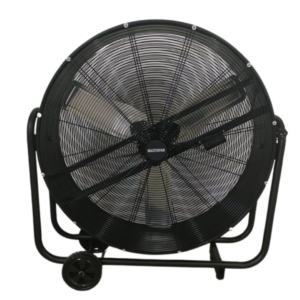
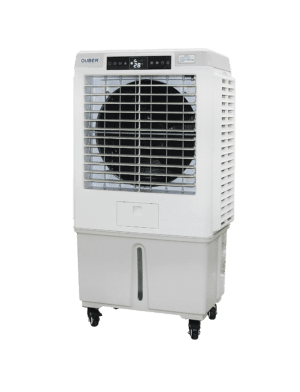
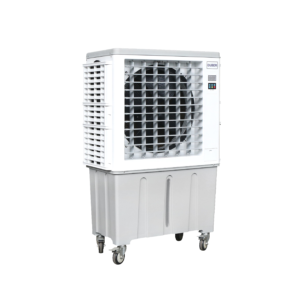
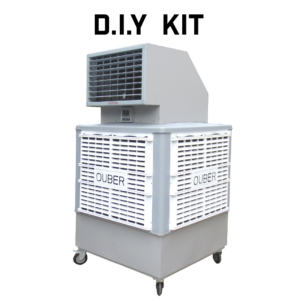
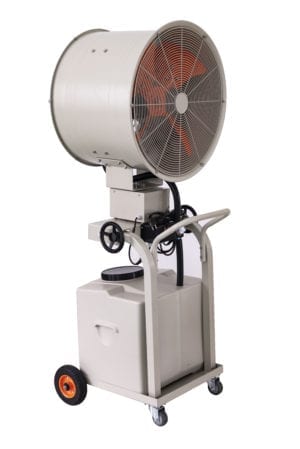
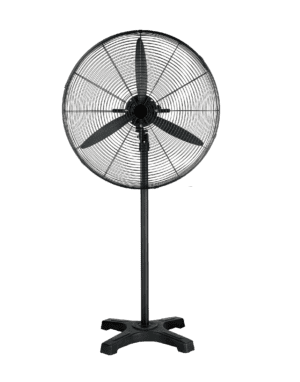
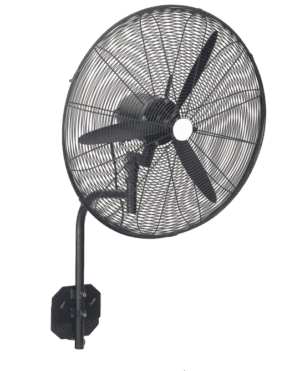
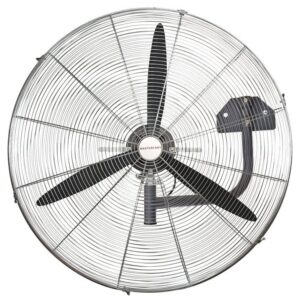
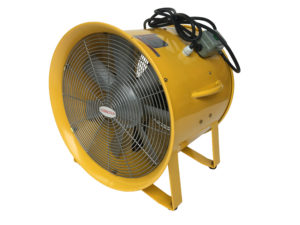
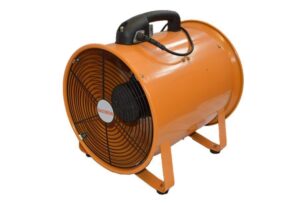
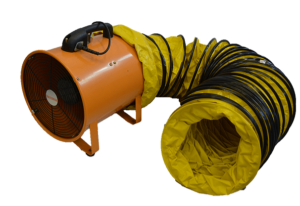
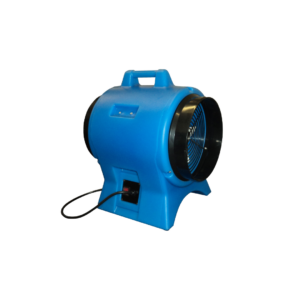
Common fan types used in drying applications include:
- High-Velocity Fans – Direct powerful airflow to a specific drying zone
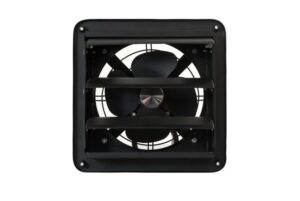
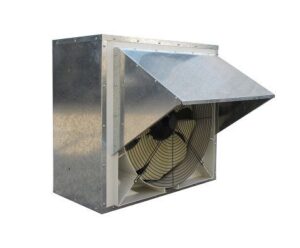
- Axial Fans – Ideal for wide-area drying in warehouses or large spaces
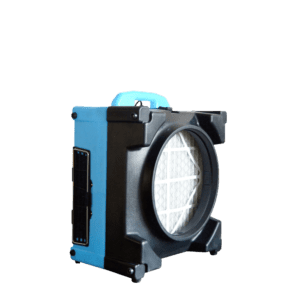
- Blower Fans – Focus airflow into tight or enclosed areas
Heating + Ventilation = Maximum Efficiency
By combining heating with effective ventilation, you can:
- Shorten drying times significantly
- Reduce the risk of material warping or damage
- Improve energy efficiency by preventing over-reliance on heaters alone
Industries That Benefit from This Approach
- Manufacturing – Drying coatings, adhesives, or components before assembly.
- Restoration Companies – Removing moisture after water damage or flooding.
- Construction – Speeding up the drying of concrete, plaster, or paint.
- Agriculture – Drying produce, seeds, or grain in controlled environments.
Best Practice Tips
- Always monitor temperature and humidity to avoid overdrying or damaging materials.
- Use directional airflow to move moist air out and bring in drier replacement air.
- For enclosed environments, consider industrial dehumidifiers in tandem with heaters and fans.
Conclusion
Industrial drying is about more than just adding heat — it’s about creating the perfect balance of temperature, humidity control, and air movement. Whether you’re in manufacturing, restoration, or construction, the right industrial drying applications strategy will save time, energy, and money.