

































Moving Air Is One of Humanity’s Oldest Innovations
Long before HVAC systems, before power tools, and well before electricity, humans were already solving the problem of heat and air quality. The need for airflow isn’t new—it’s fundamental. Whether it was about comfort, survival, or productivity, every civilisation has found ways to move air more effectively. What’s changed isn’t the need. It’s how we solve it.
The Earliest Airflow Tools: Simple but Effective
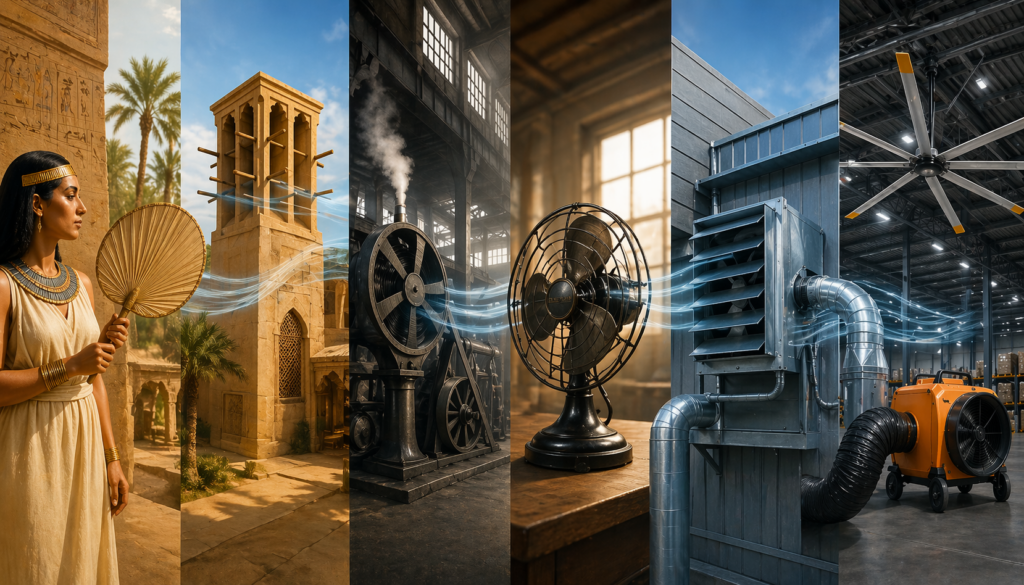
The first “fans” were exactly what you’d expect—handheld tools made from leaves, feathers, or woven materials. Used across ancient Egypt, China, and the Mediterranean, these early devices relied entirely on human effort. They were basic, but they worked. Moving air across the skin increased evaporation, helping people cool down in hot climates. Even at this early stage, the principle was clear: airflow improves comfort. But manual airflow had its limits. As spaces grew larger and populations expanded, more efficient solutions were needed.
Designing for Airflow: Ancient Passive Cooling
Before machinery, airflow was built into structures. Civilisations in hot climates developed clever architectural solutions to naturally move air through buildings.
- Wind towers in the Middle East captured and directed breezes into living spaces
- Roman buildings used ventilation shafts and open courtyards to promote airflow
- Traditional Asian homes were designed to maximise cross-ventilation
These weren’t temporary fixes—they were engineered systems using nothing but design and physics. Even today, these principles still influence modern HVAC thinking. Good airflow starts with understanding how air moves, not just forcing it.
The Industrial Revolution: Airflow Becomes Essential
The real shift came during the Industrial Revolution. Work moved indoors, machinery generated heat, and enclosed spaces became the norm. Suddenly, airflow wasn’t just about comfort—it became critical to safety and productivity. Factories, mines, and workshops faced serious challenges, such as heat build-up from machinery, dust and airborne particles and fumes and poor air quality. This is where mechanical ventilation began. Early fans powered by steam and later electricity were introduced to move larger volumes of air, more consistently. Airflow had officially become engineered infrastructure.
The Rise of Electric Fans: Scaling Air Movement
With the introduction of electricity, fan technology rapidly improved. What started as large, belt-driven systems evolved into more compact and accessible electric fans.
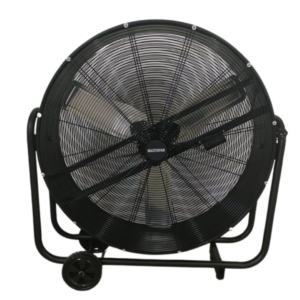
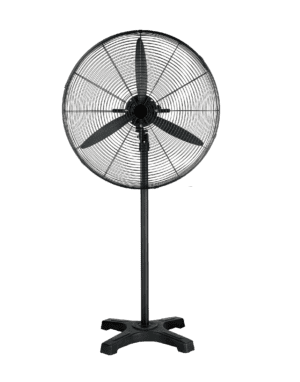
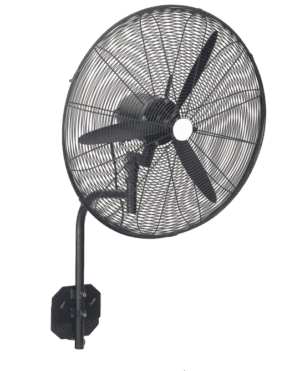
Wall-mounted, pedestal, and floor fans became common across workplaces and homes. For the first time, airflow could be delivered exactly where it was needed, without relying on building design alone.
This era marked a turning point. Air movement was no longer passive or manual—it was controlled.
Ventilation and Extraction: Moving the Right Air
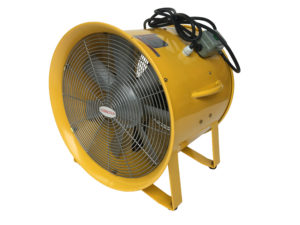
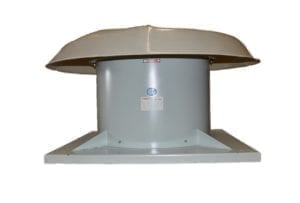
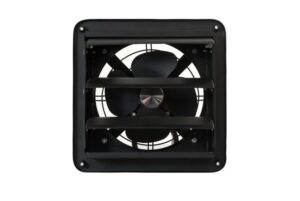
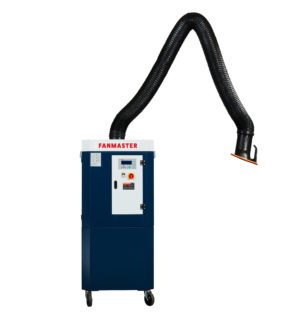
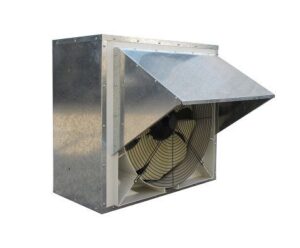
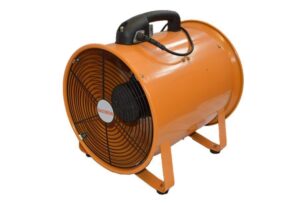
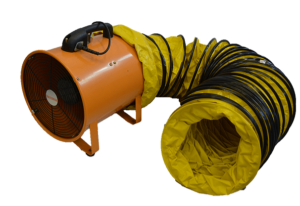
As industries developed further, it became clear that airflow wasn’t just about pushing air around. It was about managing air quality. This led to the growth of ventilation and extraction systems designed to remove heat from enclosed spaces, extract fumes, dust, and contaminants and maintain safe and compliant working environments. Solutions like inline duct fans, roof ventilation systems, and wall-mounted extraction fans became essential across commercial and industrial settings. Airflow had evolved from comfort to compliance.
Modern Air Movement: High Volume, Low Speed (HVLS) and Beyond
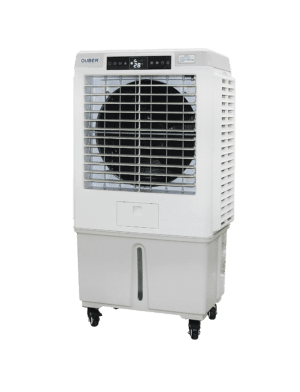
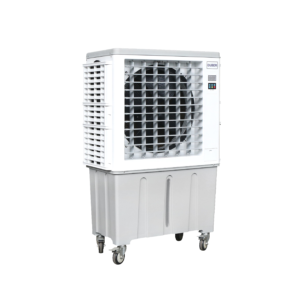
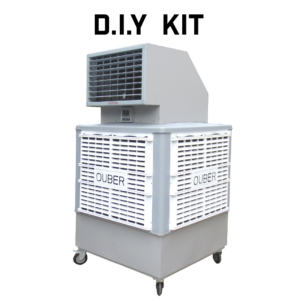
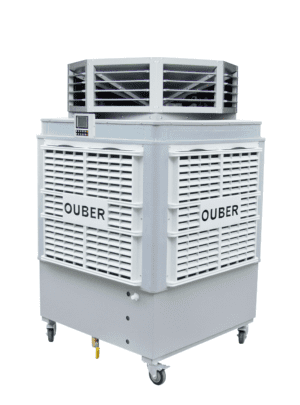
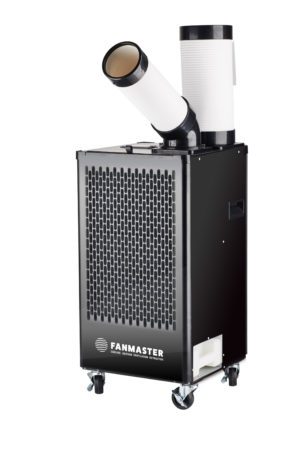
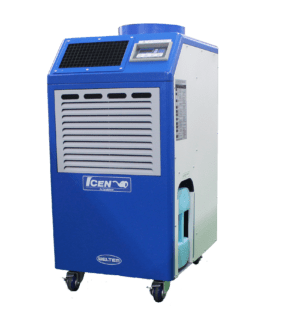
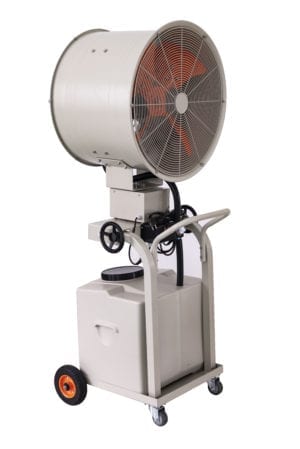
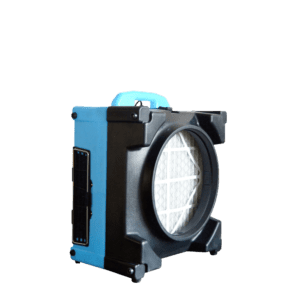
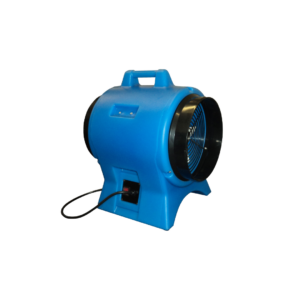
Today, air movement is more advanced—and more important—than ever. Modern systems are designed to move large volumes of air efficiently across expansive spaces. HVLS (High Volume, Low Speed) fans, for example, are now widely used in warehouses, factories, and large commercial environments to deliver consistent airflow while keeping energy costs down. At the same time, portable ventilation, evaporative cooling, and targeted extraction solutions have made it easier to manage airflow in temporary and project-based environments. Airflow is no longer an afterthought. It’s planned, specified, and built into projects from the start.
From Then to Now: Why Airflow Still Matters
Across every stage of history, one thing remains consistent—when airflow is done properly, people perform better.
- Workers stay safer
- Equipment runs more efficiently
- Spaces become more usable
- Productivity improves
What began as a simple hand fan has evolved into a critical part of modern infrastructure.
The Next Chapter: More Than Fans
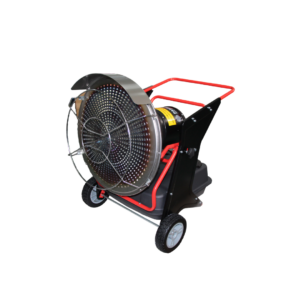
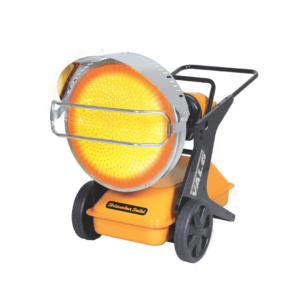
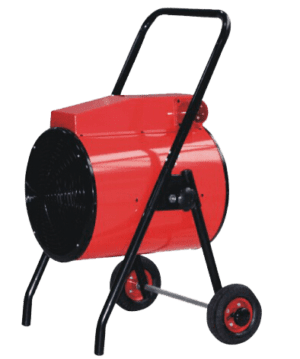
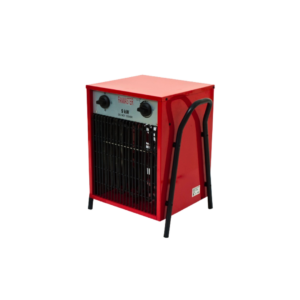
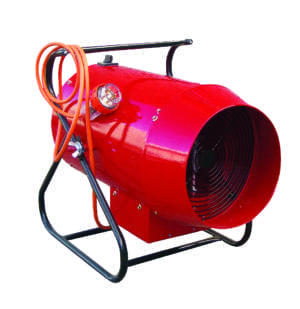
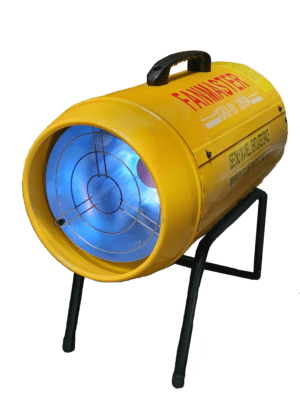
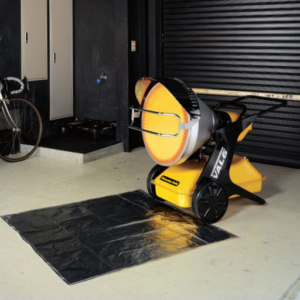
At Fanmaster, we see ourselves as part of this ongoing evolution. While fans were our starting point, today we supply a complete range of cooling, heating, ventilation, and extraction solutions designed for real-world applications across Australia’s toughest conditions .
Because airflow today isn’t just about moving air—it’s about delivering the right solution for the space, the environment, and the people working in it.