

































Clean air in a manufacturing facility isn’t just a comfort—it’s a necessity. From dust and fumes to heat and odours, poor air quality can harm employee health, reduce productivity, and even damage sensitive equipment. For managers and safety officers, implementing the right ventilation strategy is one of the most important steps toward a safer, more efficient workplace.
Why Air Quality Matters in Manufacturing
Manufacturing environments often generate airborne contaminants. Welding produces fumes, woodworking creates fine dust, and chemical processes release vapours. Without proper extraction, these pollutants can build up and cause:
- Health risks, including respiratory issues and long-term illness
- Fire hazards when flammable particles or gases accumulate
- Lower production quality, as dust or fumes settle on products
- Reduced staff morale and efficiency due to uncomfortable conditions
That’s why Australian standards require facilities to have ventilation and extraction systems in place. But beyond compliance, clean air is simply good for business—it keeps workers safe, protects equipment, and maintains consistent output.
Key Elements of a Comprehensive Ventilation Strategy
No single solution works for every facility. The most effective approach is often a combination of systems, designed to tackle both general airflow and targeted fume or dust extraction.
- General Ventilation
General ventilation ensures a constant exchange of fresh air across the whole facility. This keeps the environment comfortable while diluting airborne contaminants. Common solutions include:
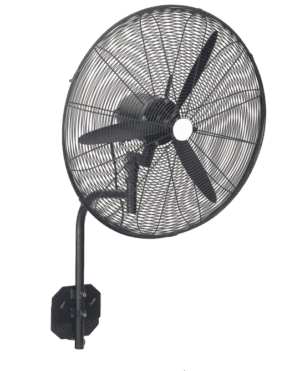
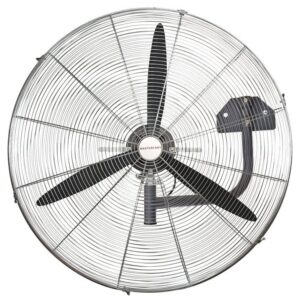
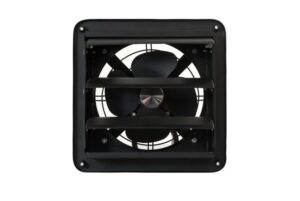
- Wall Exhaust Fans: Simple, reliable units that extract air directly out of the building.
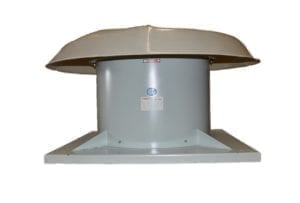
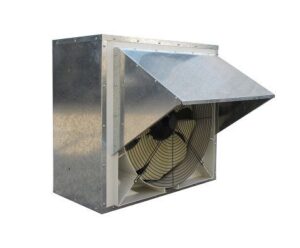
- Hooded Roof Fans: High-volume fans that pull hot, stale, or contaminated air upwards and out, while protecting against rain and weather.
- HVLS Fans: High-volume, low-speed ceiling fans that move large volumes of air gently, improving circulation without creating drafts.
Together, these systems maintain a steady baseline of air movement throughout the facility.
- Local Extraction
While general airflow helps, some processes need targeted control. Local extraction captures fumes and dust at the source, preventing them from spreading through the workspace. Options include:
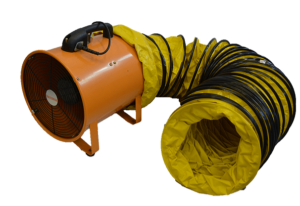
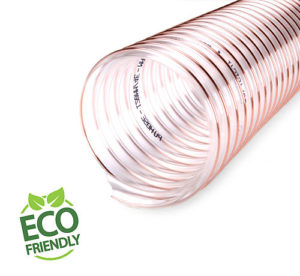
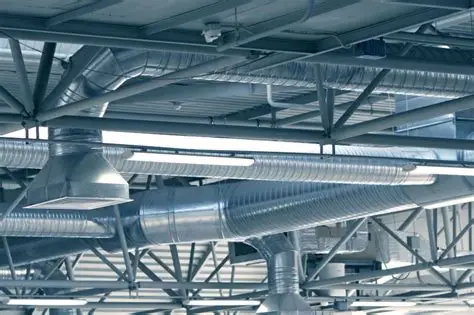
- Inline Duct Fans: Built into ducting systems, they provide strong suction where pollutants are generated.
- Centrifugal Fans: Ideal for moving air through filters or long duct runs, particularly effective in dust-heavy areas.
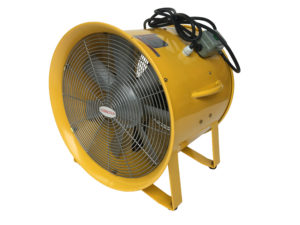
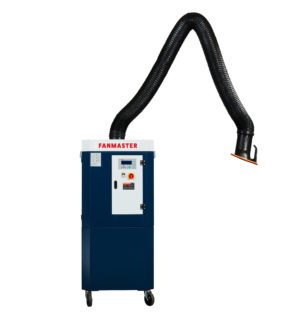
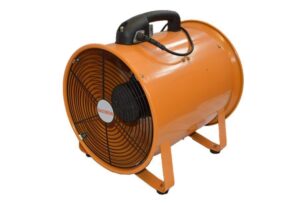
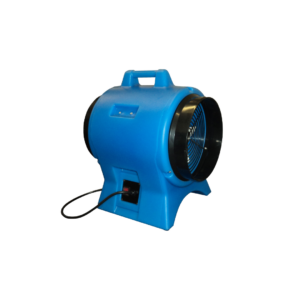
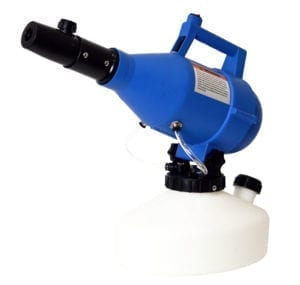
- Portable Fume Extractors: Mobile units that can be positioned near welding, grinding, or chemical handling, removing harmful fumes directly at the point of creation.
- Filtration and Treatment
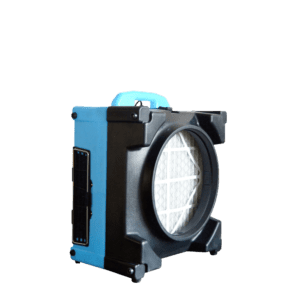
In many cases, air doesn’t just need to be removed—it needs to be cleaned before being released or recirculated. Multi-stage filters can capture fine particulates, while activated carbon filters absorb odours and chemical vapours. Choosing the right filter depends on the type of contaminants your facility generates.
- Heat and Climate Control
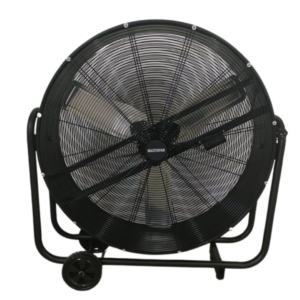
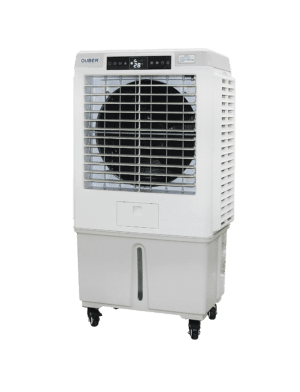
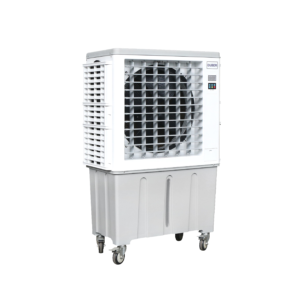
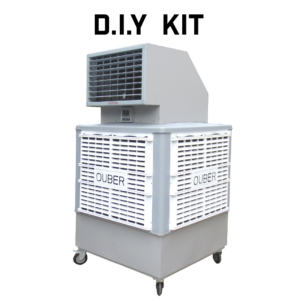
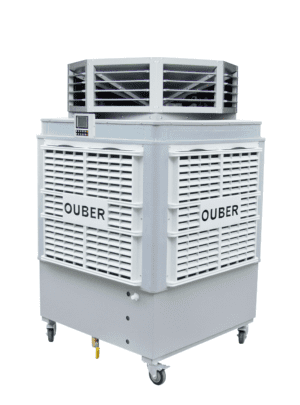
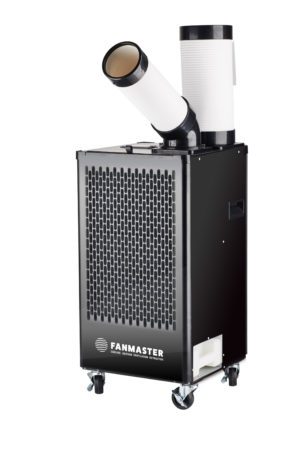
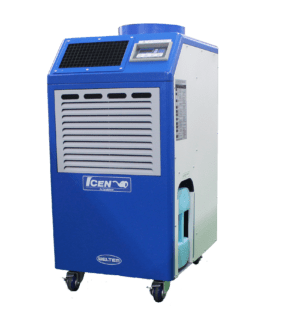
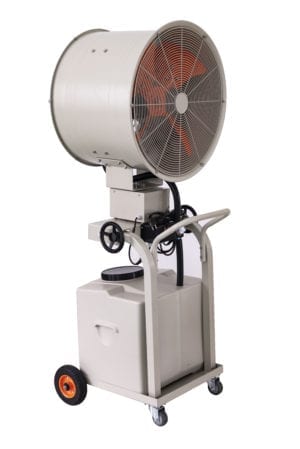
Ventilation also plays a role in temperature management. Heat buildup in manufacturing facilities can lower worker comfort and efficiency. Combining ventilation with evaporative coolers or portable air conditioners ensures both safe air quality and comfortable working conditions.
Factors to Consider When Designing Your System
Every facility is unique, so ventilation strategies should be tailored to your operations. Consider:
- Type of work being performed (welding, painting, woodworking, etc.)
- Size and layout of the building
- Volume and type of airborne contaminants
- Compliance with Australian safety standards
- Energy efficiency and operating costs
A professional assessment can help identify problem areas and recommend a system that balances performance with efficiency.
The Payoff: Safety, Productivity, and Compliance
Investing in comprehensive ventilation is about more than ticking boxes. It leads to:
- Healthier staff with fewer absences and long-term risks
- Safer conditions that reduce fire and explosion hazards
- Higher product quality by keeping dust and fumes off work surfaces
- Stronger compliance with workplace health and safety regulations
Final Thoughts
For manufacturing managers and safety officers, ventilation is one of the smartest investments you can make. A comprehensive strategy—combining general airflow, local extraction, filtration, and climate control—creates a healthier, safer, and more productive workplace.
At Fanmaster, we provide a complete range of ventilation and extraction solutions designed for Australia’s toughest industrial conditions. From roof and wall fans to portable fume extractors and ducted systems, we can help you design the right mix for your facility. With the right approach, you’ll not only meet compliance—you’ll also protect your people, your equipment, and your bottom line.