
































Most buildings are designed with clear intent. Offices are for people. Plant rooms are for equipment. Storage areas are for boxes. Mezzanines are for overflow. At least, that’s how it starts.
Over time, those “non-occupied” spaces quietly change purpose. A storage room becomes a packing area. A plant room becomes a regular maintenance workspace. A mezzanine turns into a daily pick-and-pack zone. And suddenly, people are spending hours in spaces that were never designed for human comfort or safety. Ventilation, in most cases, never catches up.
How non-occupied spaces slowly become workspaces
This shift rarely happens by design. It happens out of necessity. Businesses grow. Operations change. Space gets repurposed. Temporary solutions become permanent without anyone revisiting the original building design. Because these areas weren’t intended for occupancy, they often have:
- Minimal or no mechanical ventilation
- Poor natural airflow
- Higher heat loads from equipment or stored materials
- Limited consideration for fumes, dust or humidity
As long as no one was working there regularly, it didn’t seem like an issue. Once people start spending real time in these spaces, the cracks show quickly.
Why these spaces are especially risky
Plant rooms, storage areas and mezzanines tend to concentrate the worst environmental conditions in a building. Plant rooms generate heat, noise and sometimes fumes. Storage areas often trap moisture and dust. Mezzanines sit high in the building where heat accumulates. Without ventilation, these areas become uncomfortable at best and unsafe at worst.
Common issues include:
- Excessive heat build-up
- Stale or oxygen-poor air
- Exposure to fumes or airborne contaminants
- Condensation and corrosion
- Increased fatigue and reduced concentration
Because these spaces sit outside traditional “work areas”, problems are often normalised rather than addressed.
Ventilation is often overlooked for compliance reasons
From a compliance and duty-of-care perspective, this is where problems arise. Once a space is regularly occupied, it should be treated like any other workspace. Ventilation plays a critical role in:
- Managing heat stress
- Diluting airborne contaminants
- Maintaining acceptable air quality
- Supporting safe working conditions
Facility managers and strata operators are increasingly finding that areas once considered ancillary now fall under workplace safety obligations. If ventilation hasn’t been addressed, risk exposure grows quietly.
Why retrofitting ventilation is rarely straightforward
Retrofitting ventilation into these spaces is often challenging. Plant rooms are cramped. Storage areas are boxed in. Mezzanines weren’t designed with ducting or extraction points in mind. This leads to:
- Limited installation options
- Higher retrofit costs
- Compromised airflow solutions
- Disruption to existing operations
In many cases, ventilation is added reactively after complaints, audits or incidents, rather than proactively when the space first changes use.
Fans alone don’t solve the problem
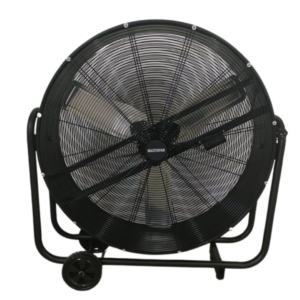
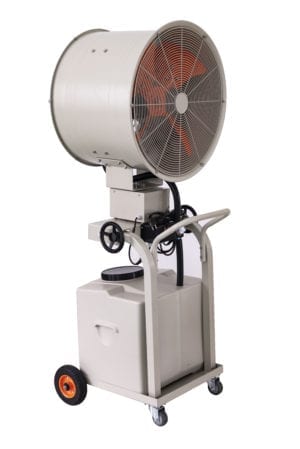
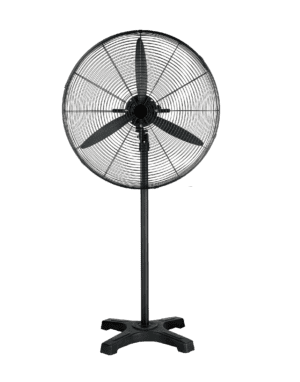
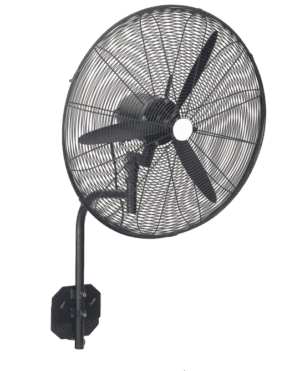
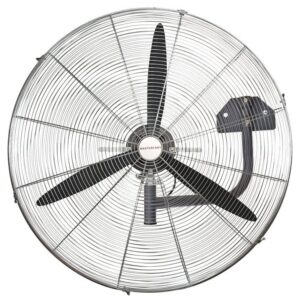
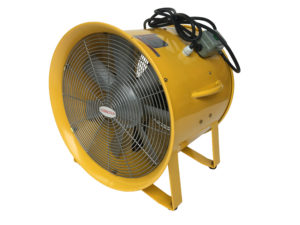
It’s common to see pedestal or wall fans added as a quick fix. While fans help with air movement, they don’t remove heat or contaminants. In enclosed spaces, fans can simply recirculate stale or contaminated air. Effective ventilation requires a pathway for air to enter and exit the space. Fresh air must replace stale air. Without that exchange, comfort and safety improvements are limited.
Planning for how spaces evolve
One of the biggest lessons for facility managers and councils is recognising that buildings rarely stay static. Spaces evolve. Uses change. Occupancy patterns shift. Ventilation planning should consider not just current use, but likely future use. If a storage area could become a work zone, or a plant room requires frequent access, airflow should be part of the conversation early.
Proactive ventilation planning helps:
- Reduce future retrofit costs
- Improve safety and comfort
- Extend the usable life of spaces
- Demonstrate due diligence and risk management
Turning overlooked spaces into usable ones
With the right ventilation approach, these “forgotten” spaces don’t have to be uncomfortable or risky. Proper airflow transforms them into safer, more functional environments without needing major structural changes. The key is recognising when a space crosses the line from “non-occupied” to “regularly used” and acting before problems escalate. Buildings don’t fail overnight. Neither do ventilation strategies. But when airflow doesn’t keep pace with how spaces are actually used, the impact builds quietly. Addressing ventilation early is one of the simplest ways to protect people, assets and long-term building performance.