































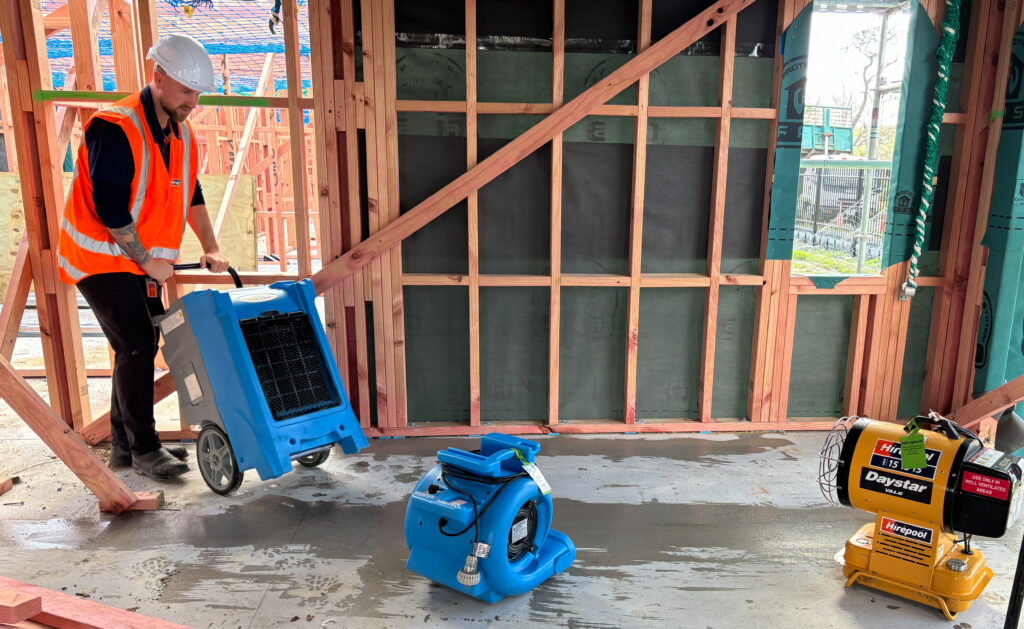
Temporary Spaces Create Permanent Airflow Problems
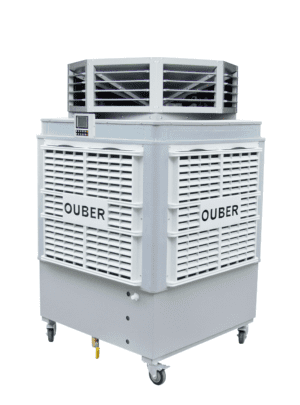
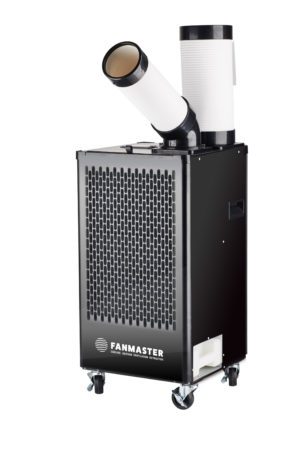
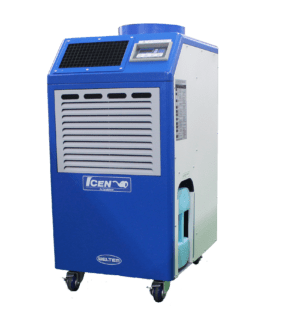
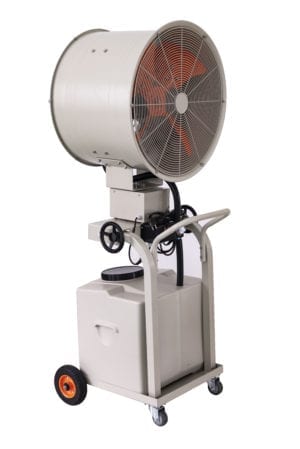
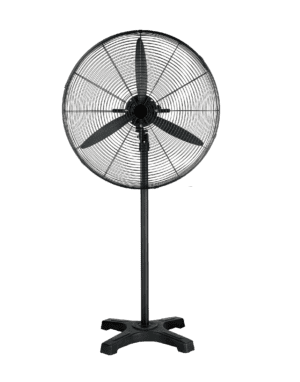
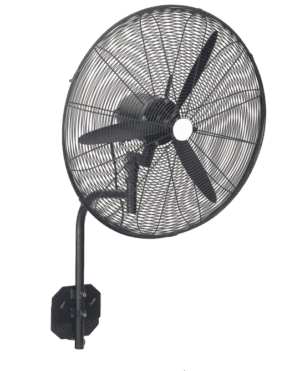
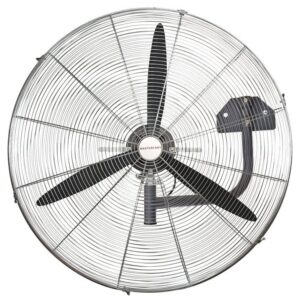
Many modern projects operate in spaces that designers never intended for people or heavy equipment. Teams convert shipping containers into workstations. Crews turn tunnels into service corridors. Event organisers transform warehouses into venues. Contractors erect temporary structures for construction, maintenance and infrastructure projects. These environments solve space problems quickly, but they often create airflow challenges. Without ventilation or extraction, these spaces trap heat, dust, equipment exhaust fumes, moisture and condensation. Air quality quickly deteriorates for workers. Permanent facilities usually include built-in HVAC systems designed to manage airflow. Temporary workspaces rarely include that level of planning. Portable ventilation equipment fills that gap by introducing airflow where projects need it most.
Why Ventilation Is Gaining Attention in Hire Fleets
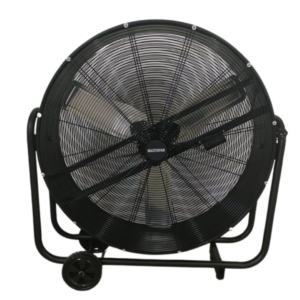
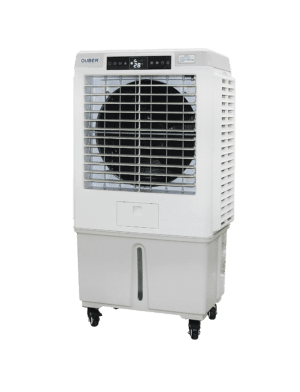
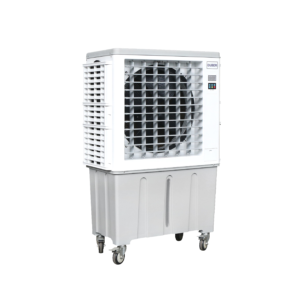
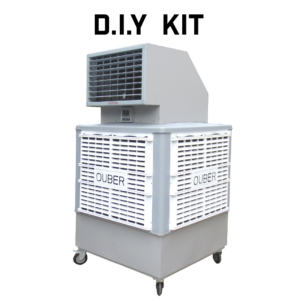
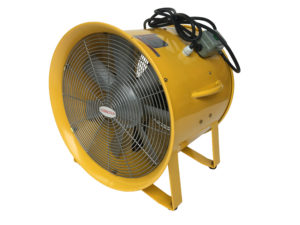
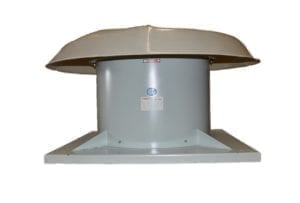
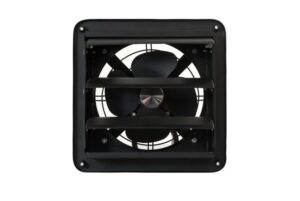
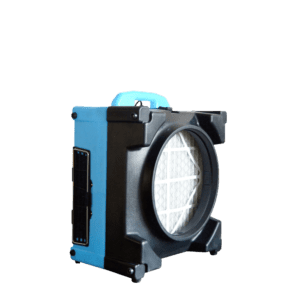
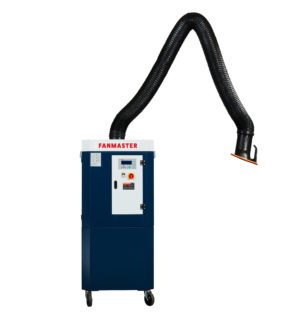
Flexibility drives the hire industry. Contractors and project managers need equipment they can deploy quickly and remove just as easily once the job finishes. Ventilation equipment fits this model perfectly. Portable extraction fans, ducted ventilation systems and high-airflow solutions allow crews to introduce airflow without structural modifications. Teams can install the equipment quickly, run it throughout the project and return it to the hire fleet once work finishes. This flexibility makes ventilation particularly valuable for:
-
Construction and infrastructure projects
-
Industrial shutdowns and maintenance works
-
Confined space work
-
Temporary buildings and site offices
-
Events and exhibition structures
For hire companies, ventilation also introduces a product category that complements existing equipment such as generators, compressors and lighting towers.
Ventilation Supports Safer Job Sites
Safety standards continue to rise across Australian worksites. Companies now recognise air quality as a critical factor in worker wellbeing and regulatory compliance. Dust, fumes and heat can quickly create unsafe conditions in enclosed environments. Ventilation and extraction equipment actively manages these risks by removing contaminated air and introducing fresh airflow. This becomes especially important when workers operate generators, welding equipment or cutting tools inside confined or semi-enclosed spaces. Improved airflow helps reduce:
-
Heat stress risks
-
Exposure to airborne contaminants
-
Worker fatigue and discomfort
-
The likelihood of safety incidents
For contractors, airflow management goes far beyond comfort. Proper ventilation supports safer and more compliant working environments.
The Rise of Temporary and Modular Environments
Temporary infrastructure now plays a major role across Australian industries. Businesses regularly use pop-up warehouses, temporary manufacturing spaces, mobile workshops and modular buildings. Event organisers also rely heavily on temporary structures that host large crowds. These environments provide flexibility and speed, but they rarely provide ideal airflow. Ventilation solutions help these structures function more like permanent facilities. Proper airflow removes stale air, reduces heat build-up and improves air circulation without installing permanent systems. For the hire industry, this trend creates a growing opportunity to supply equipment that supports modern, flexible operations.
Planning Ventilation Before Problems Start
Many projects only address ventilation after problems appear. Workers begin to complain about heat. Dust becomes visible in the air. Fumes linger longer than expected. At that stage, teams treat ventilation as a reactive solution. Project managers now recognise the benefits of planning airflow earlier in the setup phase. Just as planners include lighting and power in site preparation, they increasingly add ventilation to the initial equipment list. Early planning prevents productivity losses, reduces safety risks and helps avoid costly disruptions during the project.
Ventilation Is No Longer a Niche Hire Item
Industries now operate in more confined, temporary and high-intensity environments than ever before. As a result, ventilation has shifted from a niche hire item to essential equipment. Portable ventilation and extraction solutions help projects run safely and efficiently, even when working conditions fall far from ideal. Hire companies and contractors increasingly view airflow as another critical part of the equipment puzzle. Modern projects depend on more than power, lighting and tools. In many situations, success simply comes down to moving air where the job demands it.